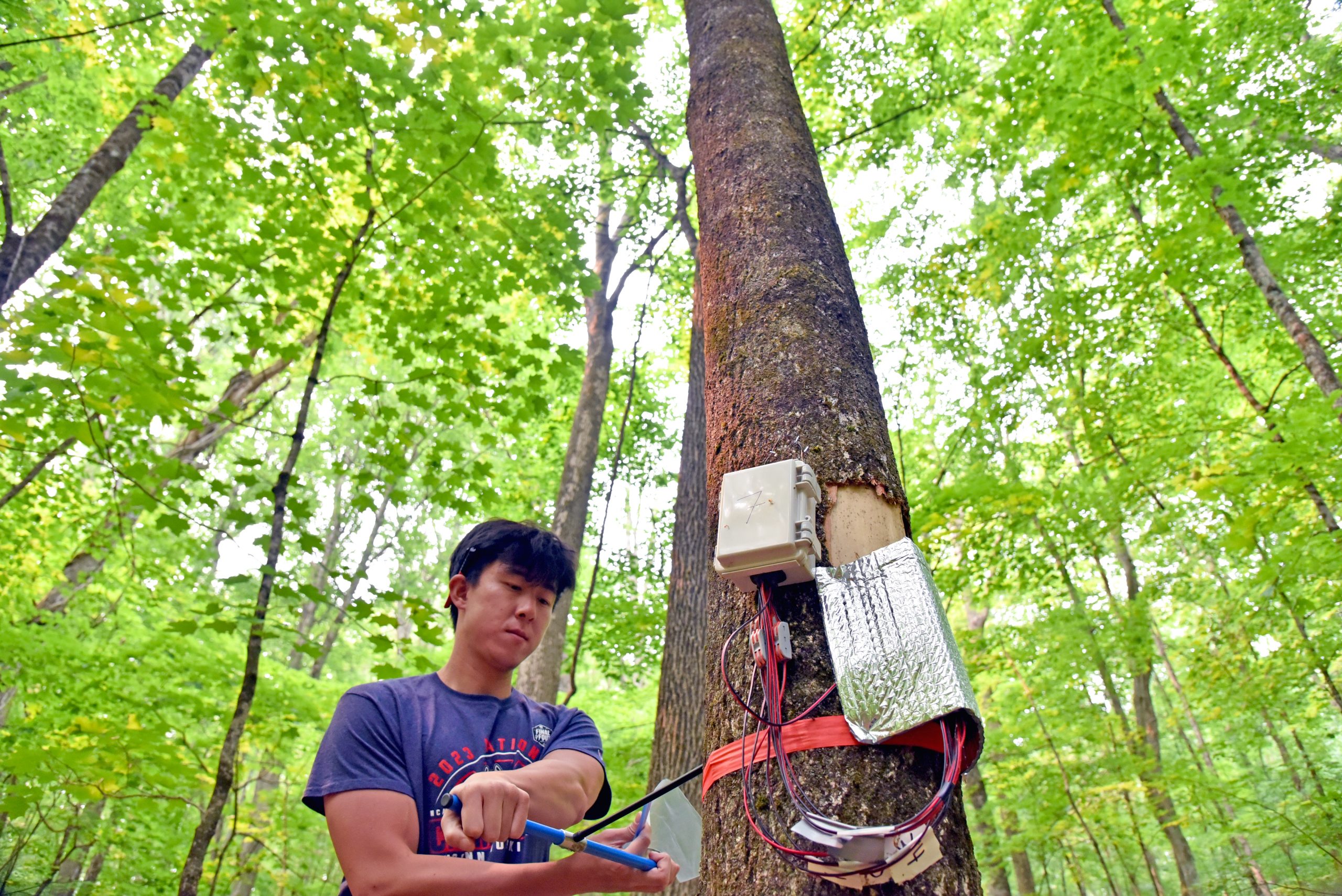
Careers after CAHNR
Where Purpose Meets Possibility
A degree from UConn’s College of Agriculture, Health and Natural Resources (CAHNR) opens the door to a future full of impact, opportunity, and personal fulfillment. Our graduates are leaders in fields that touch every part of life, from the food we eat and the air we breathe to the future of medical innovation and the sustainability of the landscapes that surround us.
Career Pathways by Department
CAHNR programs not only prepare students for great jobs, they build the foundation for graduate and professional school, leadership roles, and lifelong learning.
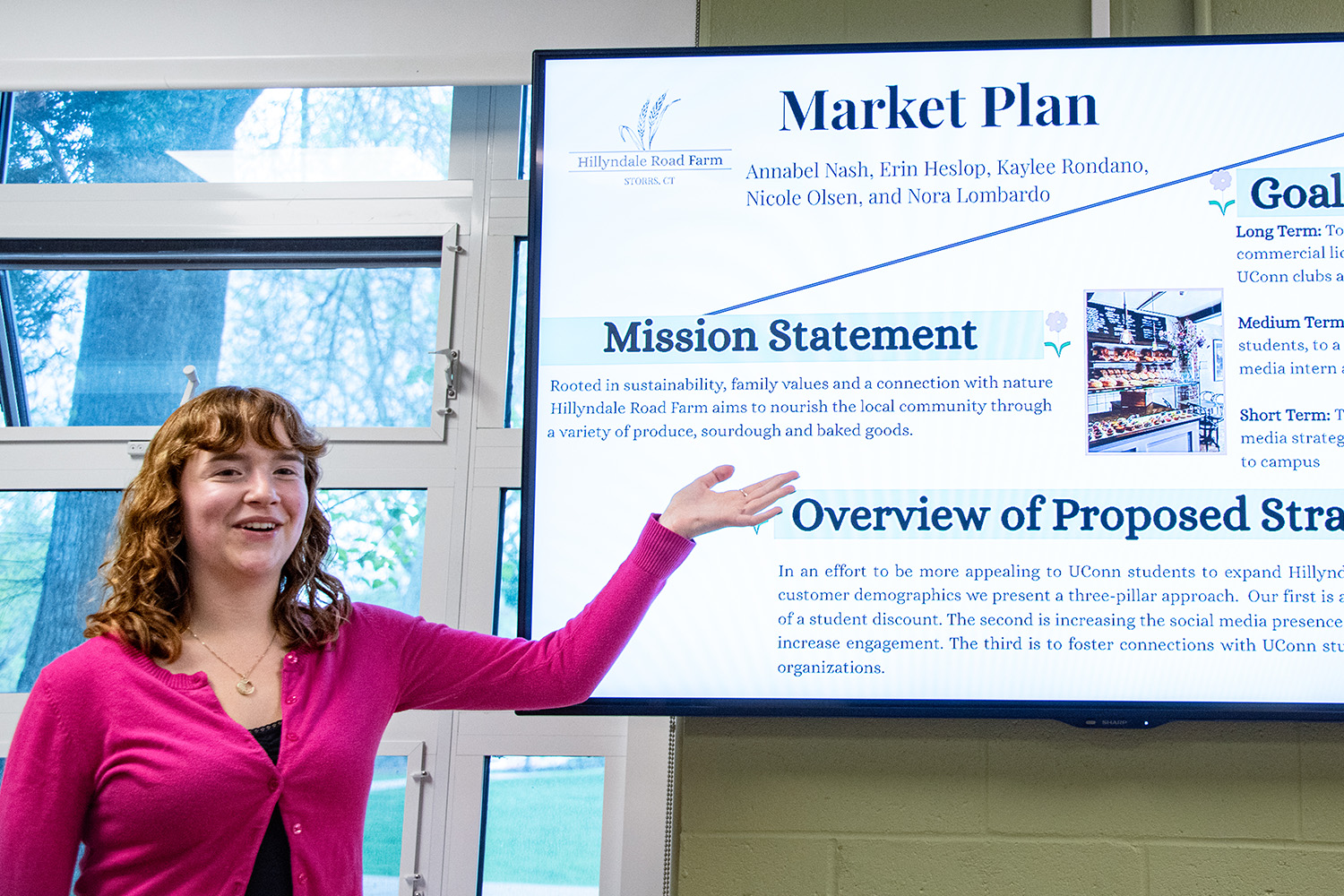
Agricultural and Resource Economics
Launch a career in marketing, economics, business management, policy, sustainability, consulting, international development, or data analytics. Graduates work in business, government, finance, nonprofits, and consulting, or continue on to advanced study in economics, law, or public policy.
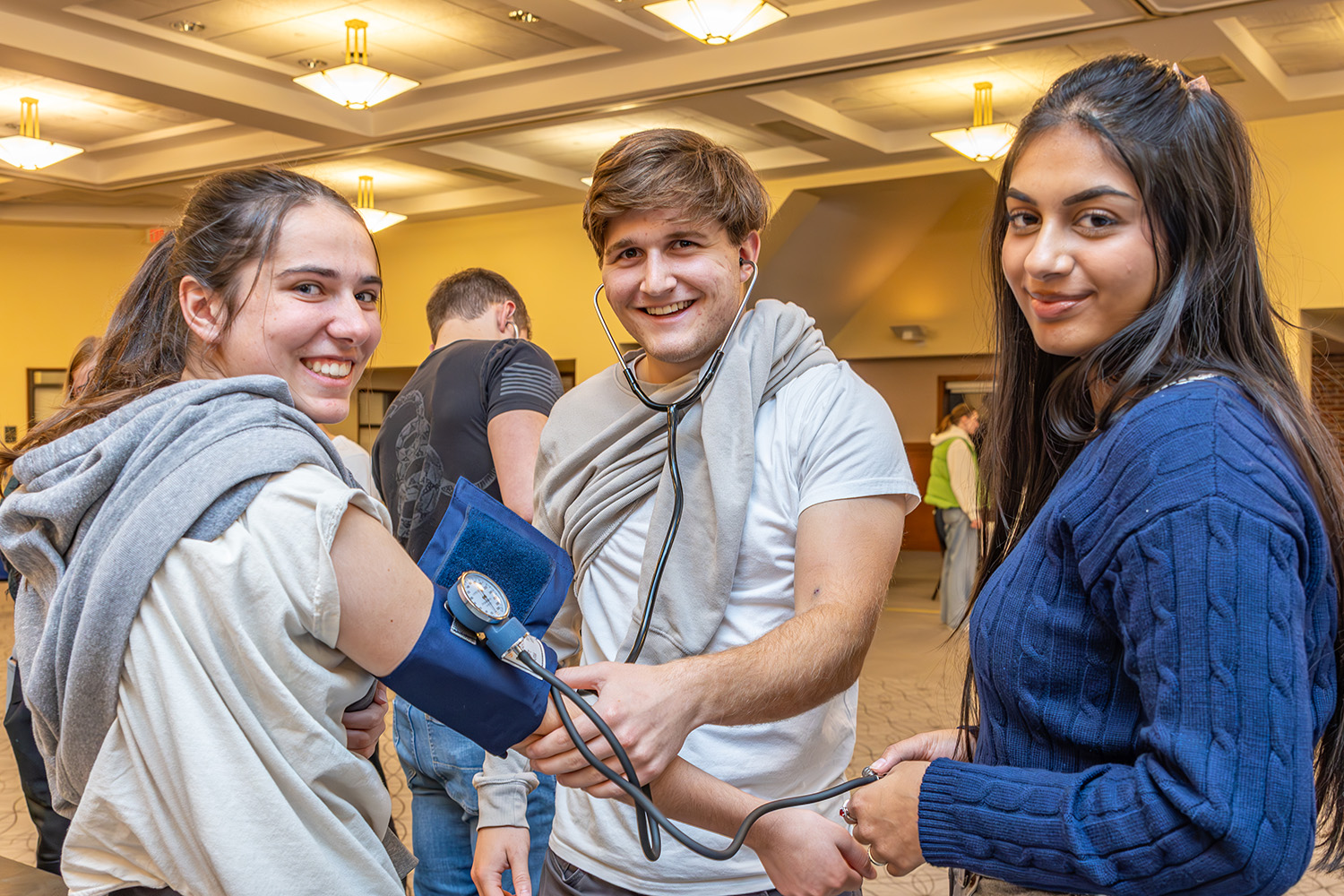
Allied Health Sciences
Prepare for careers in health promotion, dietetics, nutrition, public health, lab sciences, genetic testing, and health care administration. Students can enter the workforce directly or pursue advanced clinical training, graduate degrees, or professional school pathways in medicine, nursing, or allied health.
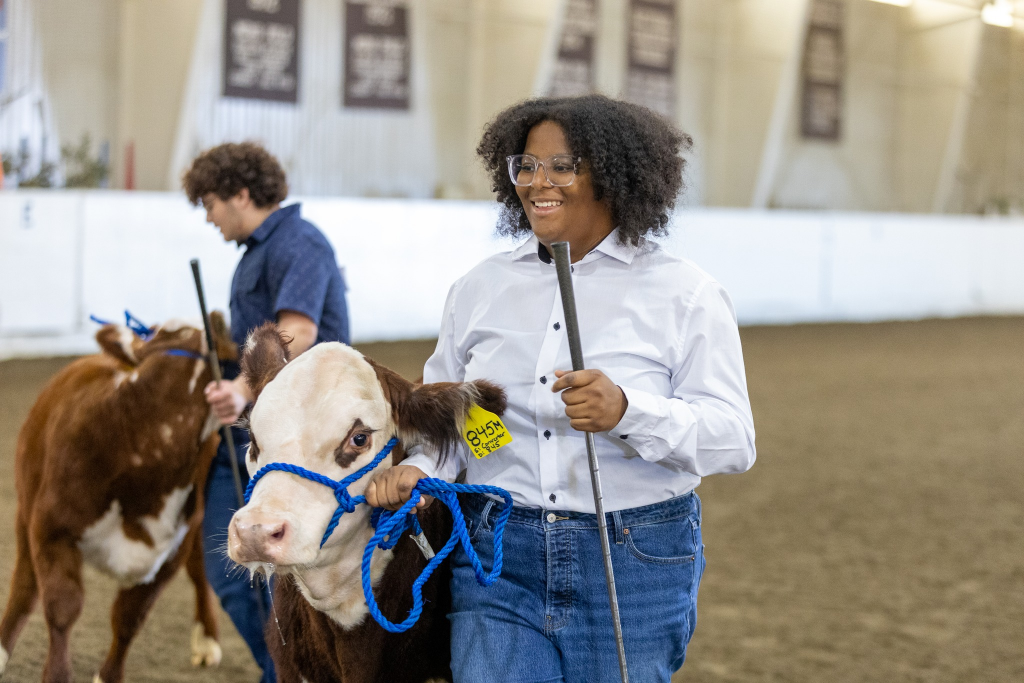
Animal Science
Enter careers in veterinary medicine, equine science and management, animal nutrition, biotechnology, breeding and livestock management, and dairy science. Alumni work in veterinary clinics, the equine industry, research labs, and agriculture, as well as veterinary school or other graduate studies.
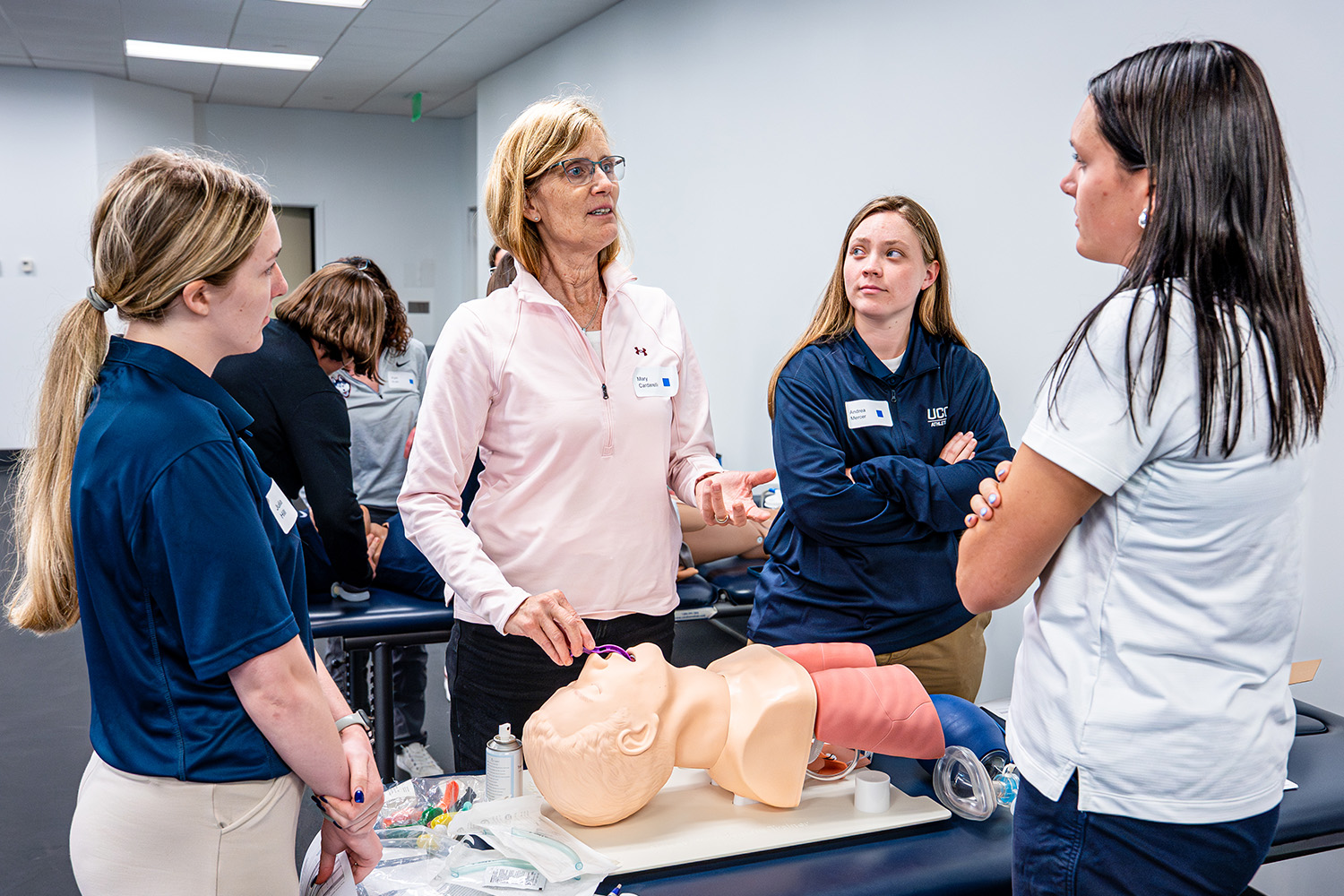
Kinesiology
Build a future in athletic training, physical therapy, exercise science, or sport medicine. Graduates work in health care, education, research, and sports organizations, and they are well-prepared for graduate studies to become physical therapists, occupational health experts, athletic trainers, sport performance clinicians, rehab specialists, and researchers.
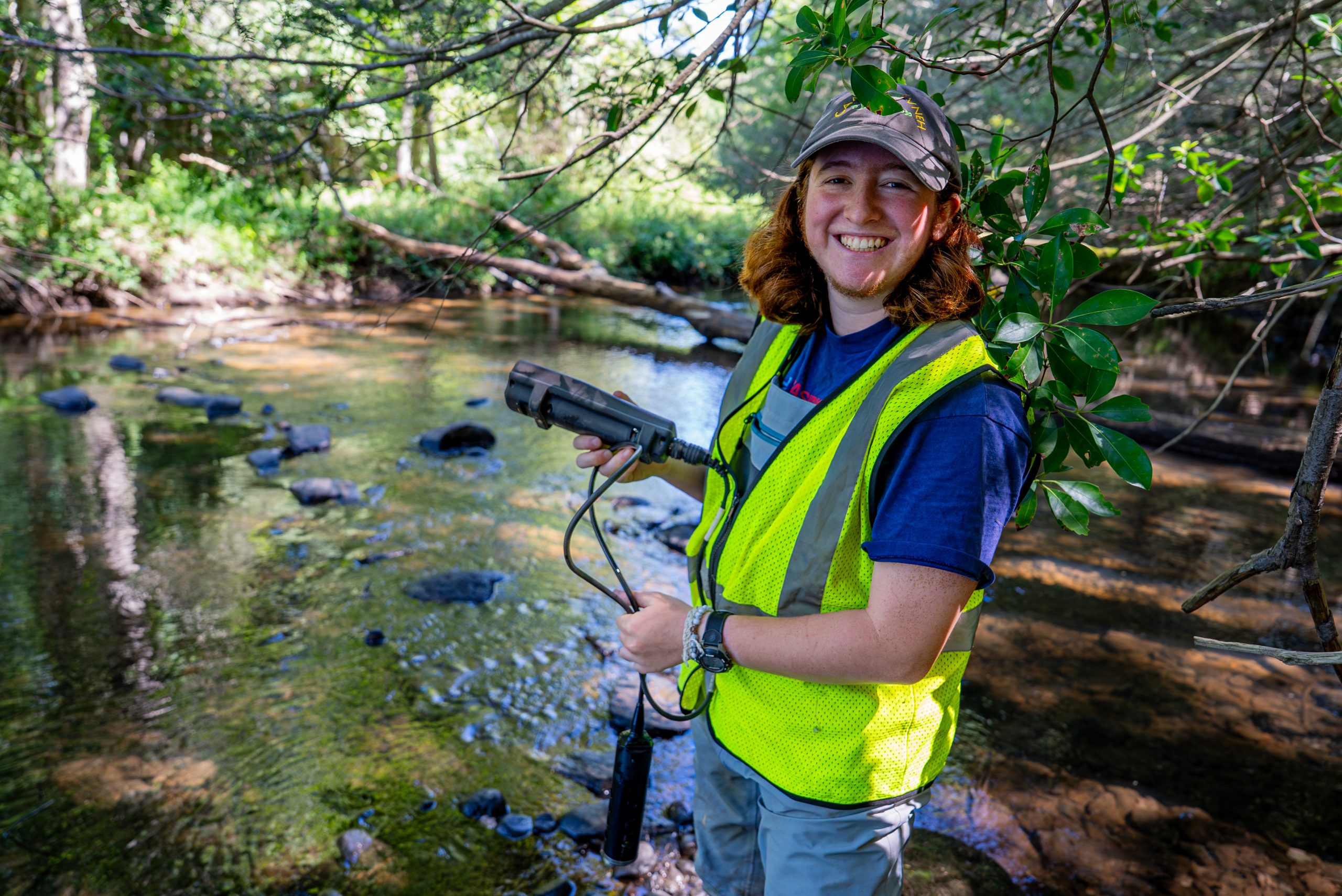
Natural Resources and the Environment
Make a difference through careers in remote sensing/GIS, environmental sustainability and conservation, fisheries and wildlife, sustainable forestry, and water and climate fields. Alumni lead in government agencies, non-profit organizations, and environmental firms, and many pursue graduate degrees in data analysis, sustainable environmental planning, and natural resources.
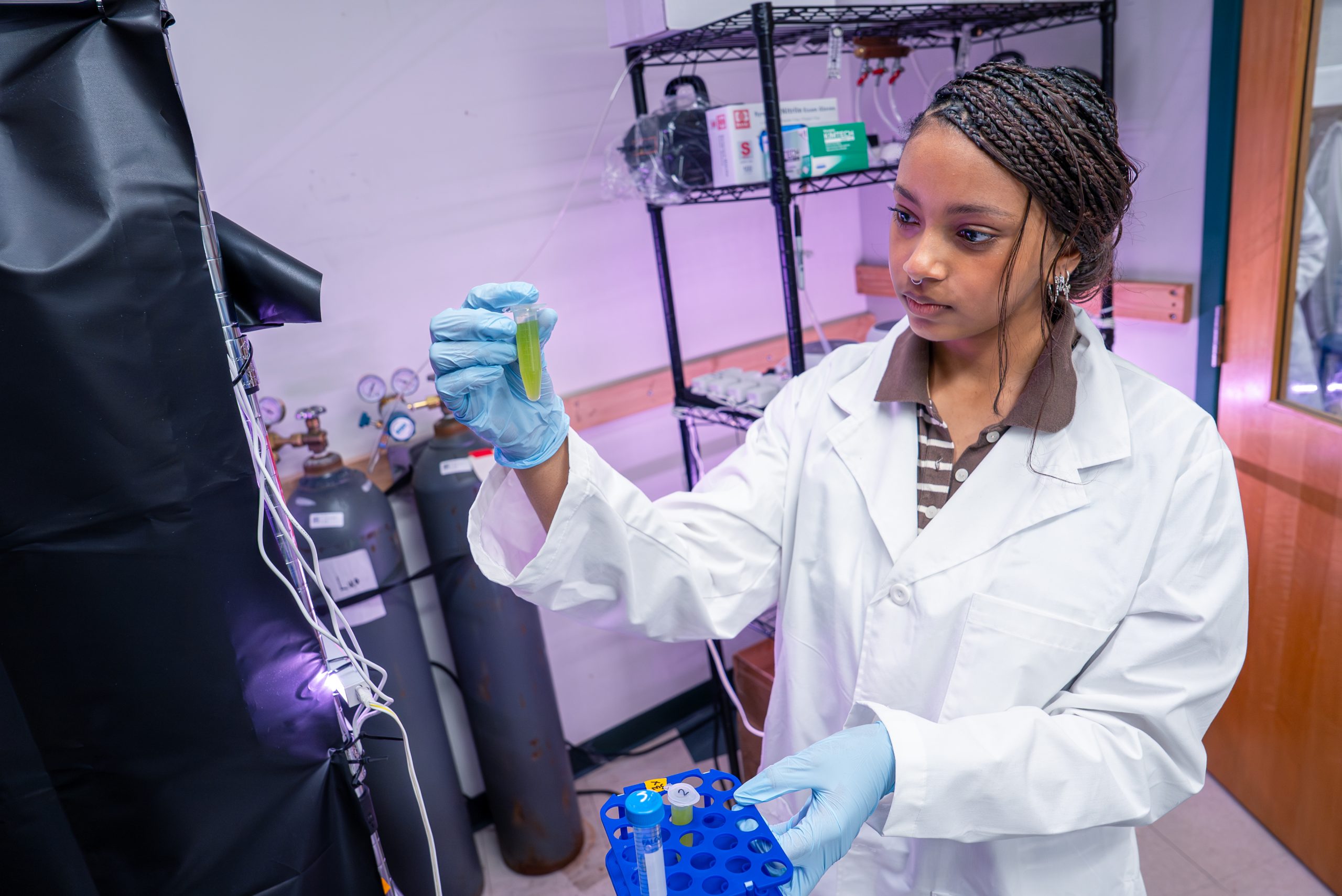
Nutritional Sciences
Work at the intersection of food, health, and research. Students are prepared for medical and dental fields. Graduates become dietitians, researchers, clinicians, educators, and policy advisors. Many pursue advanced training in dietetics, public health, clinical nutrition, medicine, or biomedical research, or enter the workforce directly.
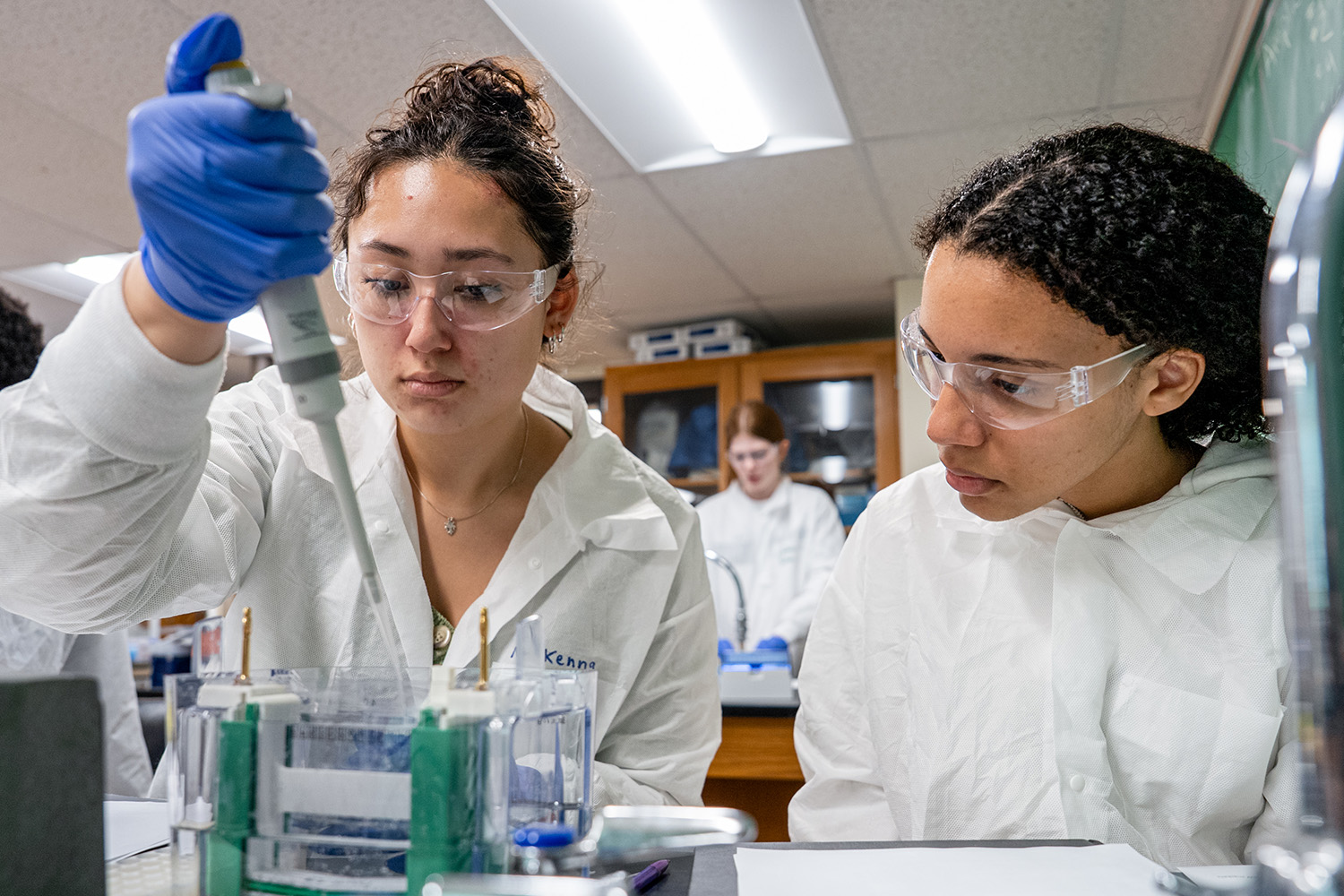
Pathobiology and Veterinary Science
Explore careers in biomedical research, veterinary medicine, diagnostics, infectious disease, and human/animal global health. Graduates can enter the workforce directly and often move on to professional programs in medicine, dentistry, veterinary medicine, or doctoral research programs.

Plant Science and Landscape Architecture
Design sustainable landscapes, manage turfgrass and crops, or innovate in plant genetics, horticulture, and agriculture. Graduates become landscape architects, sport turf superintendents, growers, scientists, and sustainability professionals, and many go on to graduate school in plant science, design, or agriculture-related fields.