
June Faculty and Staff Newsletter
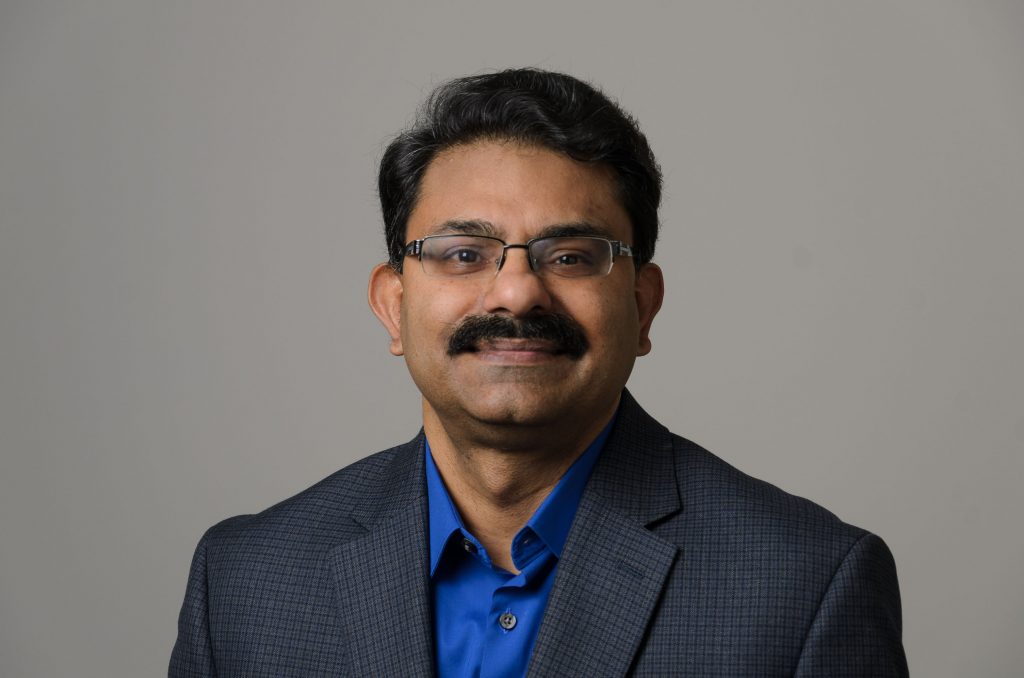
Dear Colleagues,
As I step into the role of Dean and Director of CAHNR, I want to begin by expressing my sincere gratitude for the trust this community has placed in me. I also want to be clear about the kind of leadership I hope to bring to this role. In the months ahead, I will be focused on seeking broad input, creating more direct opportunities for communication and engagement with faculty, staff, students, and partners, improving transparency wherever possible, and keeping our mission at the center of our decision-making. At the same time, I believe we must be willing to think boldly about how we position the College for long-term success and impact.
I also wanted to briefly check in on the BLUE budget (Budget Linked to University Excellence). At this time, we do not have additional information or materials to share. During a recent Deans’ Council meeting, a number of important questions were raised, and it is clear that additional context and detail are needed before this information can effectively support thoughtful discussion and planning within the College. Conversations and review continue at the University level, and we will keep the CAHNR community informed and engaged as more complete and actionable information becomes available.
In addition to these structural questions, CAHNR has also had a lot to celebrate recently. We recognized graduate and undergraduate students at last month’s commencement ceremonies, a feat which obviously requires a lot of support and mentorship from faculty and staff. This week, we are also celebrating the official ribbon cutting of the George Leigh Minor Plant and Soil Health Center – an achievement that represents one of the College’s most significant fundraising successes in recent years. More importantly, the Center reflects the strength of our mission in research, teaching, and Extension while creating new opportunities for public engagement and service across Connecticut.
Taken together, these moments reflect both the opportunities and responsibilities ahead of us. While the summer months often bring a quieter pace to campus, they also provide important time for continued planning, discussion, and progress across the College. I appreciate the thoughtful engagement this community continues to bring to that work, and I look forward to continuing to partner with CAHNR’s faculty, staff, students, and partners to move the College forward.
Thank you for all you do for our College.
Kumar Venkitanarayanan
Dean and Director
Have an idea for the newsletter? We are grateful for the creativity and diverse opinions of our College community.
Featured Story of the Month

Undergraduate Education
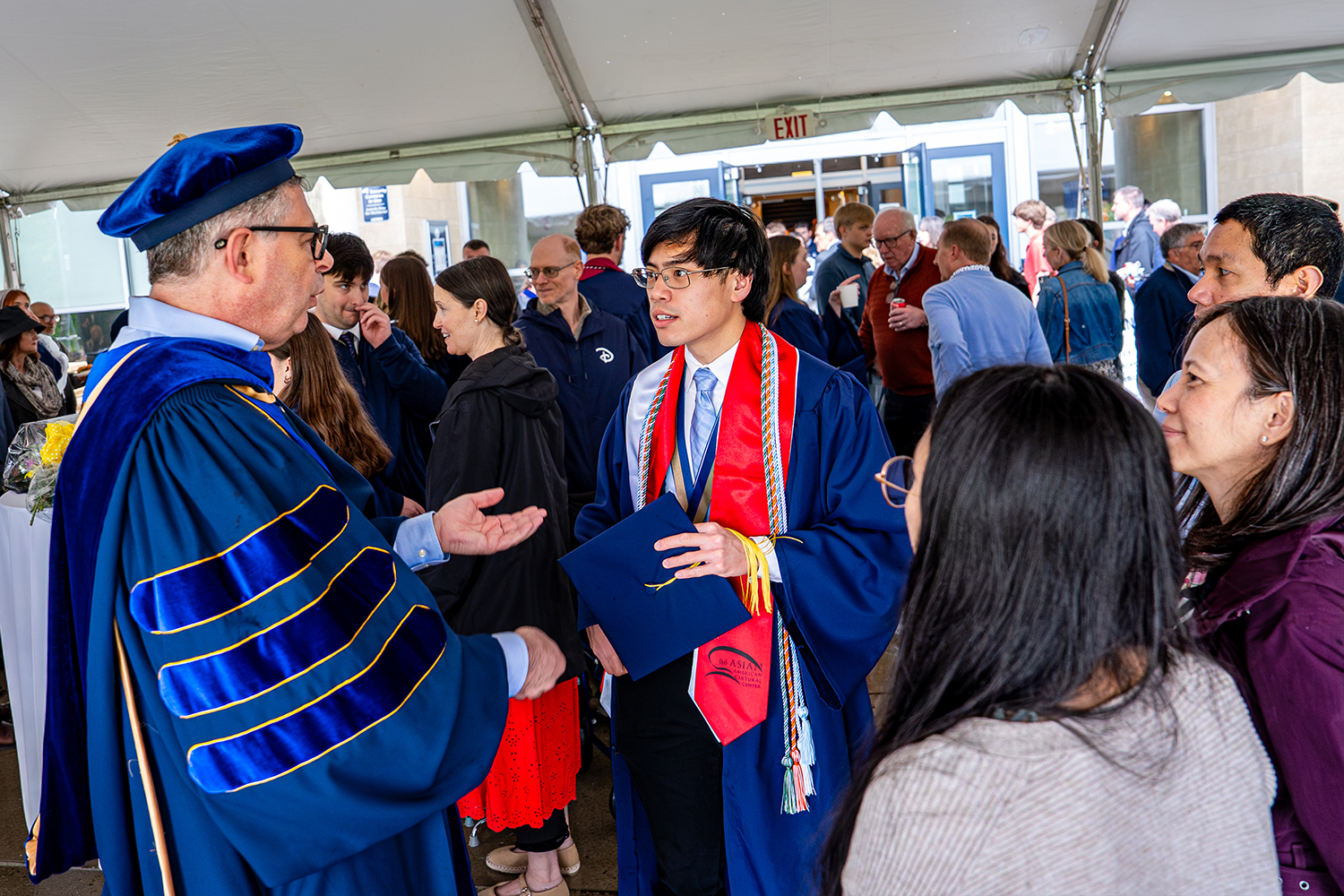
CAHNR Celebrates Graduates at 2026 Undergraduate Commencement
On May 9, 2026, more than 600 graduates from UConn’s College of Agriculture, Health and Natural Resources (CAHNR) crossed the stage at Gampel Pavilion, marking the culmination of years of hard work, perseverance, and growth
Save the Date
Spring 2026
- June 9, Grow and Thrive
Fall 2026
- December 4: Gingerbread Competition
- December 21: Fall 2026 Faculty and Staff Meeting
Spring 2027
- May 7, 2027: Spring 2027 Faculty and Staff Meeting
Welcome to CAHNR
- Emily Bretthauer, Academic Advisor, CAHNR/RH Office of Academic Programs
Gratitude Ninjas
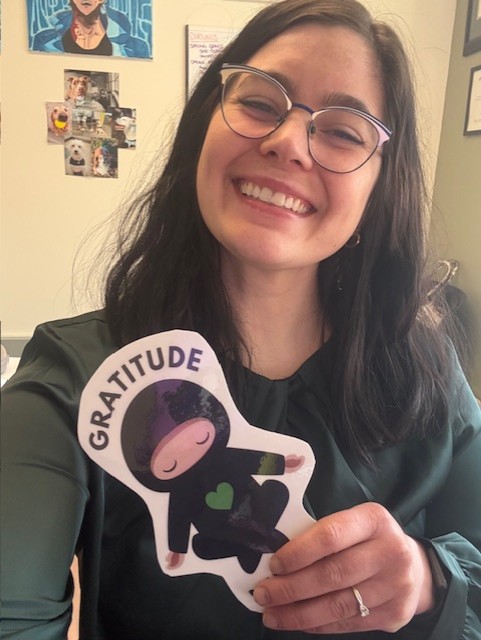
We’re excited to celebrate and recognize the many ways our colleagues make CAHNR such a great place to work — here come this month’s CAHNR Gratitude Ninjas! These paper Ninjas are on a mission to spread appreciation, connection, and smiles throughout our college community.
Updates from the Business Office
How do sheep celebrate the Fourth of July? With a baaa-rbecue
There’s more fun in this month’s edition of the CAHNR Business Office newsletter. Each month, the team in CAHNR’s Business Office will update the CAHNR community on deadlines, policies, procedures, staffing changes, and all kinds of other useful information. Visit the CAHNR Business Office site for more.
CAHNR Impacts 2025

CAHNR makes an impact each and every year. We have an annual magazine to highlight some of the phenomenal work being done within our College’s research enterprise, academic programs, and Extension activities.
CAHNR Views
Sustainable Landscapes Workshop
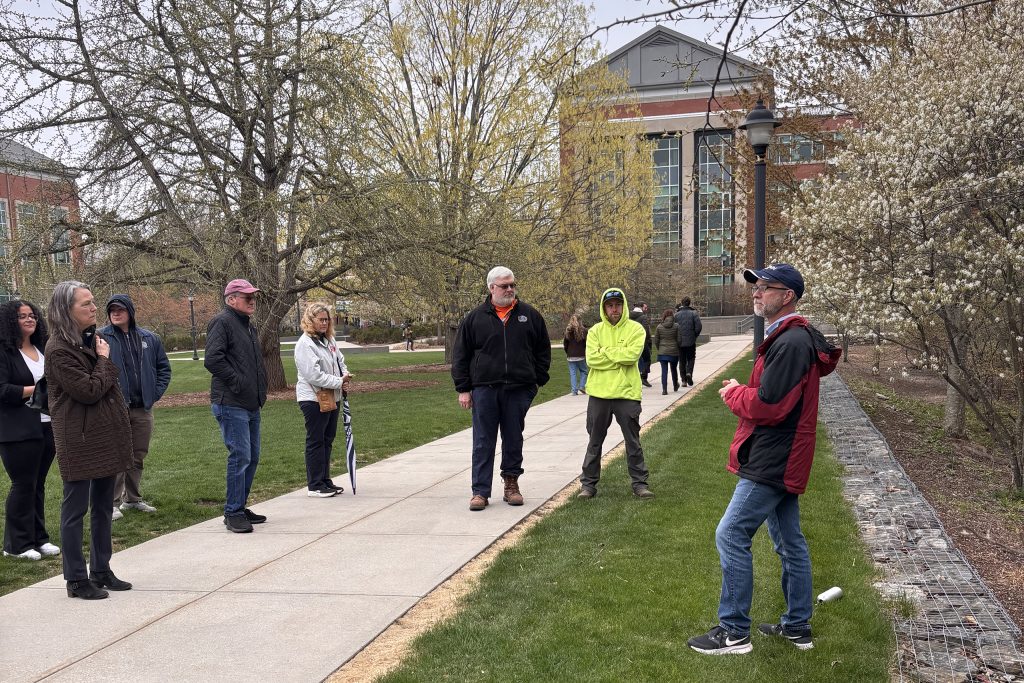
Dean’s Advisory Board Chair, Peter Gorman, worked with UConn Extension educators Mike Dietz and Dave Dickson to organize a workshop on rain gardens and other sustainable landscape practices. Employees from Connecticut parks departments came to campus for a tour and research-based insights.
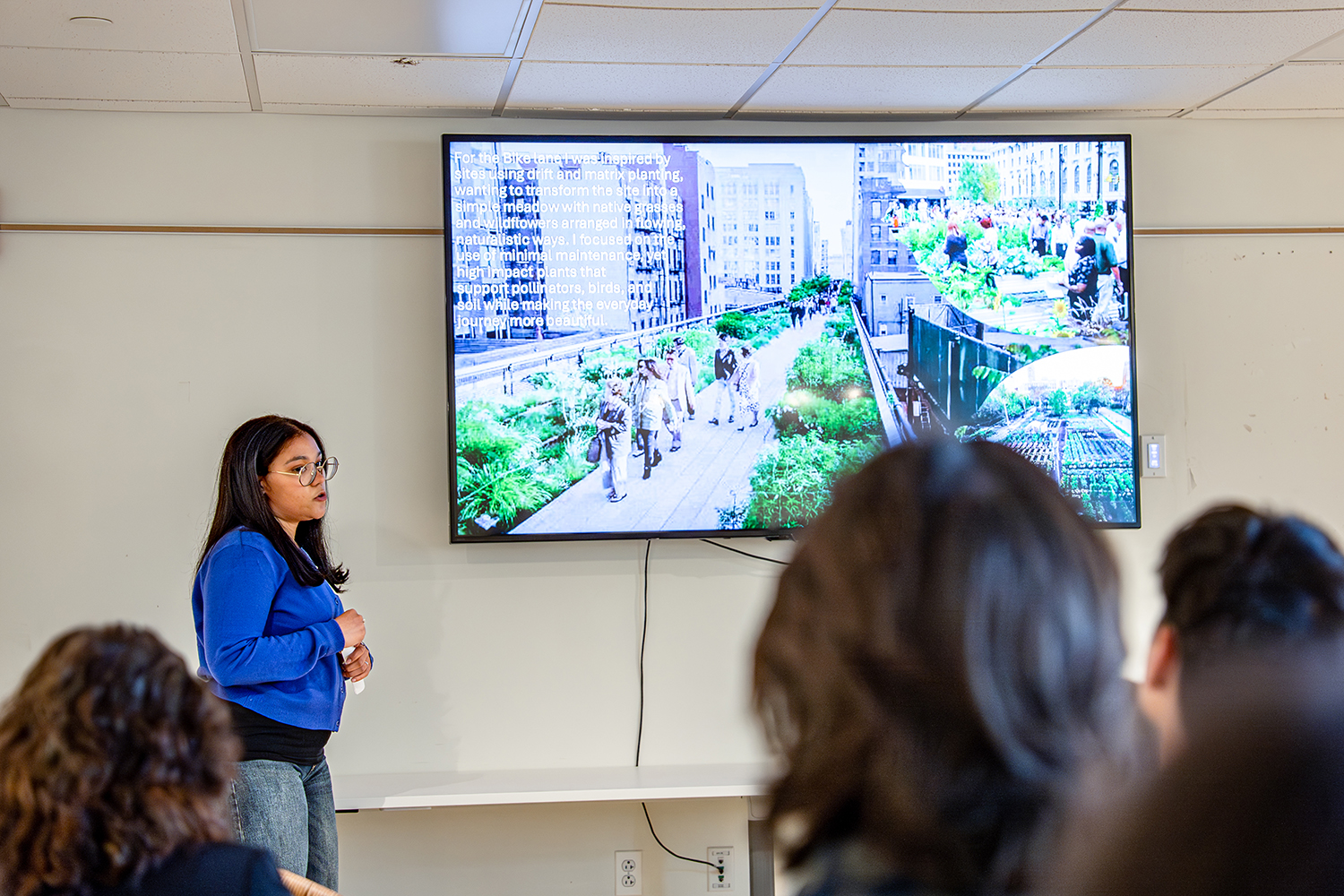
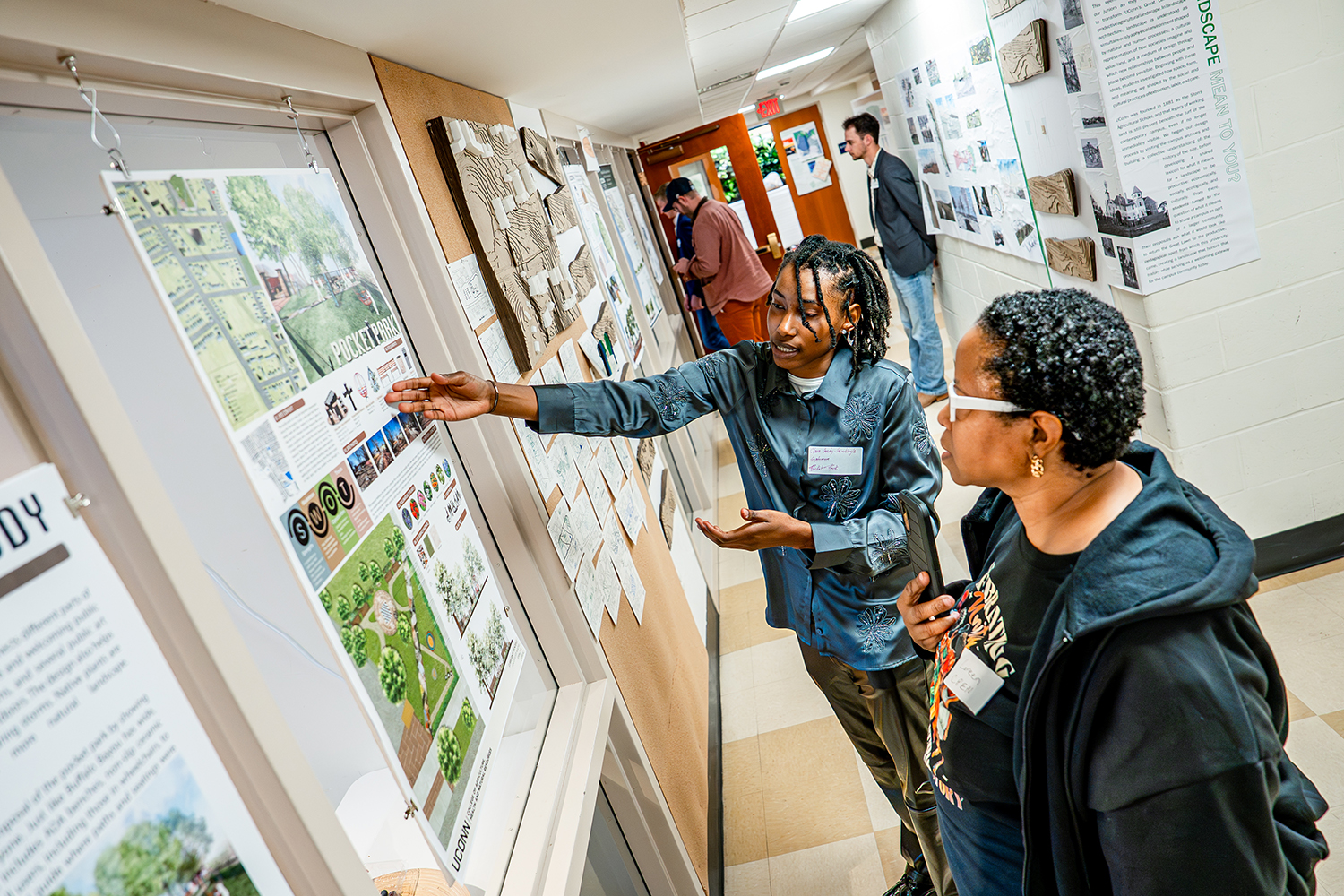
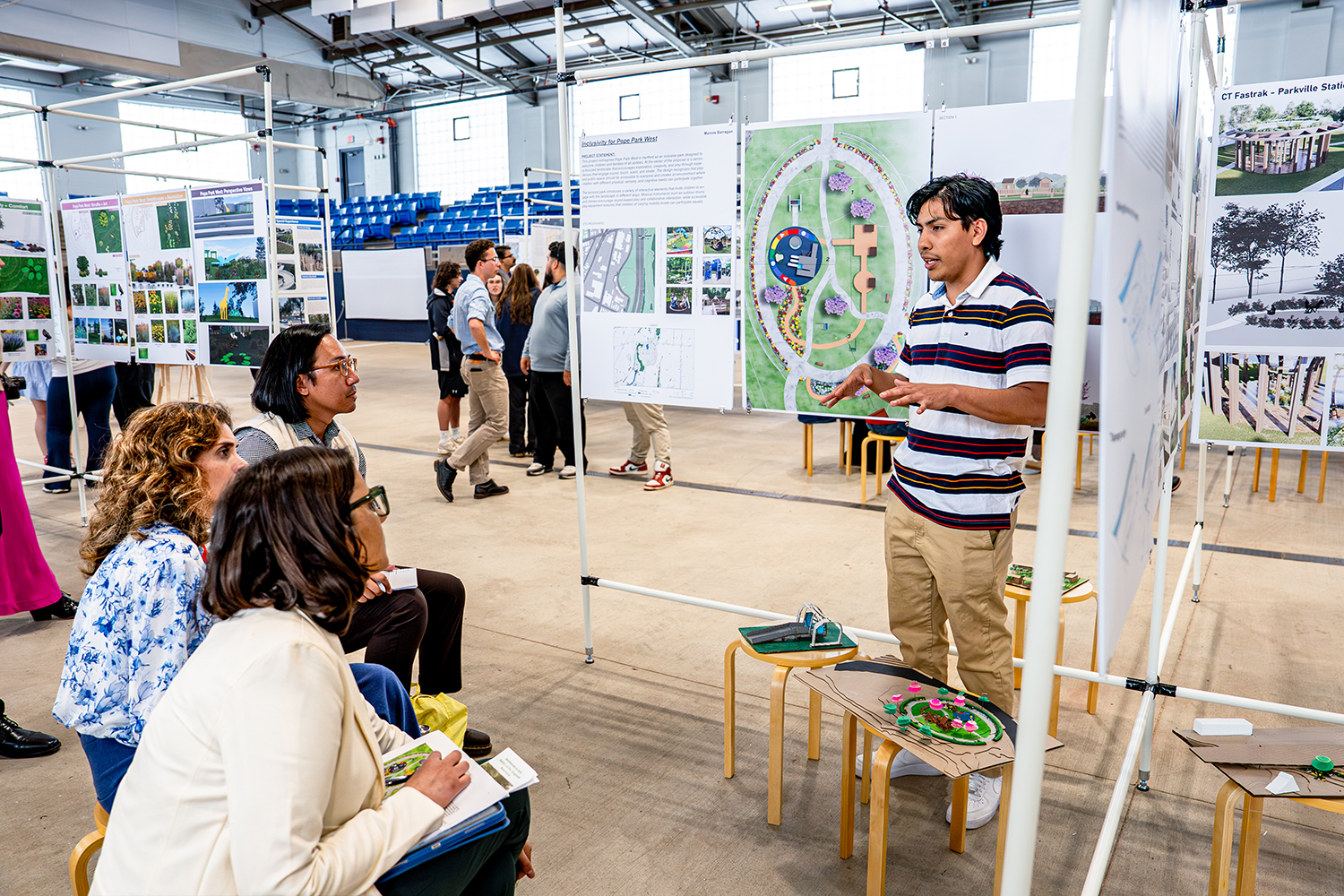
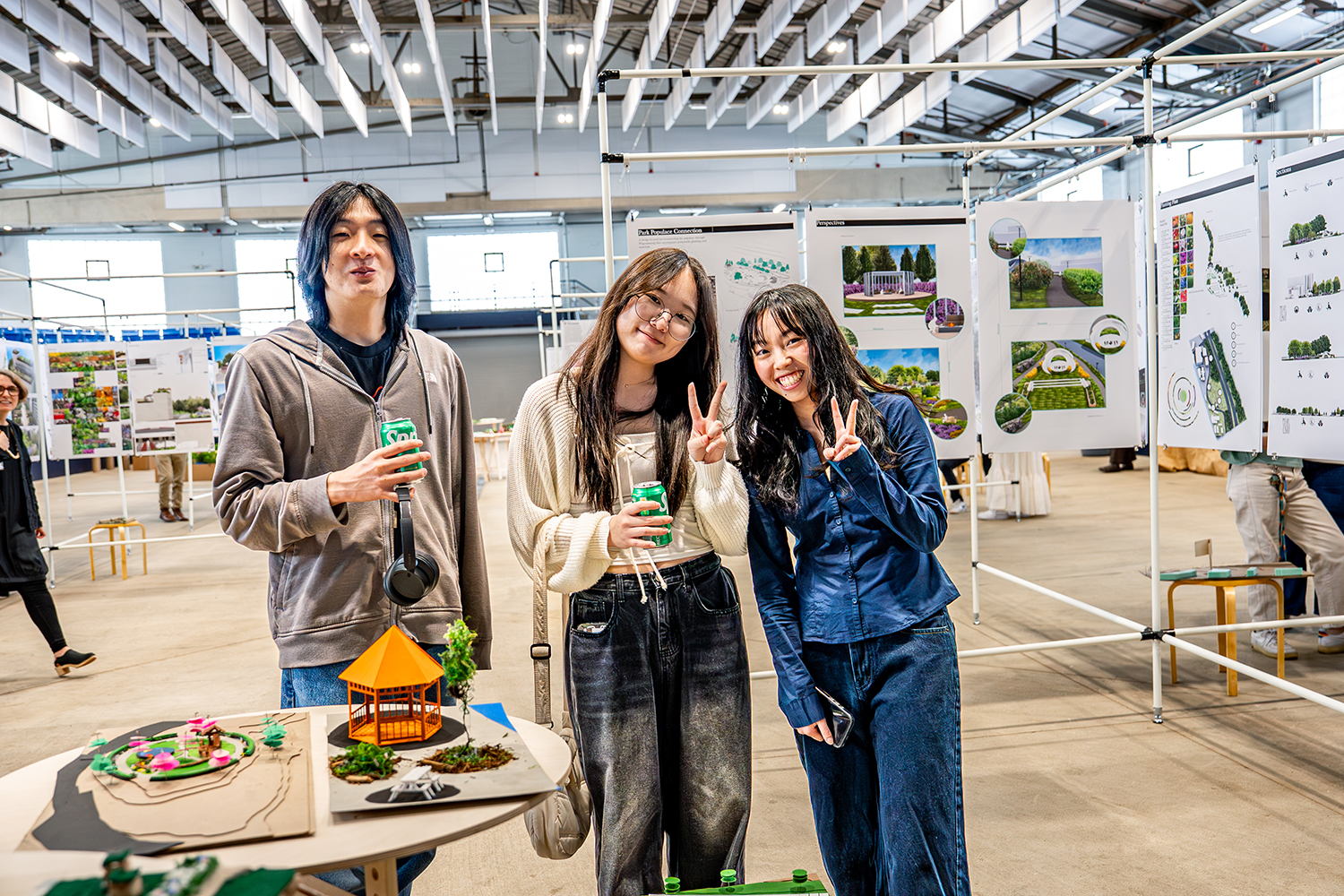
Landscape Architecture Presentations
Congratulations to the CAHNR Class of 2026



Policy Highlights
Alternate Work Arrangements
- The policy establishes guidelines for University of Connecticut employees to use alternate work arrangements, specifically aiming to increase worker efficiency and productivity while reducing travel time.
- It offers two distinct options for employees: telecommuting (performing duties from an off-campus site like a home) and flexible schedules (varying the start and end times of a standard workday).
- To qualify for telecommuting, an employee’s regular duties must have defined tasks with measurable results that do not strictly necessitate an on-site physical presence or frequent access to special equipment.
- Participation in either arrangement requires the discretion and written approval of the employee’s supervisor, which must be finalized via an official signed agreement and submitted to the Office of Faculty and Staff Labor Relations.
Academic Program and Accreditation Review
- All undergraduate, graduate, and professional academic programs across all University of Connecticut campuses and locations are required to undergo a formal and comprehensive external evaluation at least once every eight years.
- The review process is centrally managed by the Office of the Provost and necessitates the completion of an in-depth self-study, the submission of departmental data, and the hosting of an external review team for a formal site visit.
- The primary objective of these evaluations is to facilitate continuous program improvement and provide the university administration with objective, evidence-based data to guide long-term strategic planning and the allocation of institutional resources.